Jojolo Mobile App
Providing telemedicine assistance for first-time moms
Role
Strategy, Planning, Discovery, UX Research, Visual & Product Design
Team
Bolu Obisanya, Product Designer, working with Engineering and Product stakeholders
Year
2021
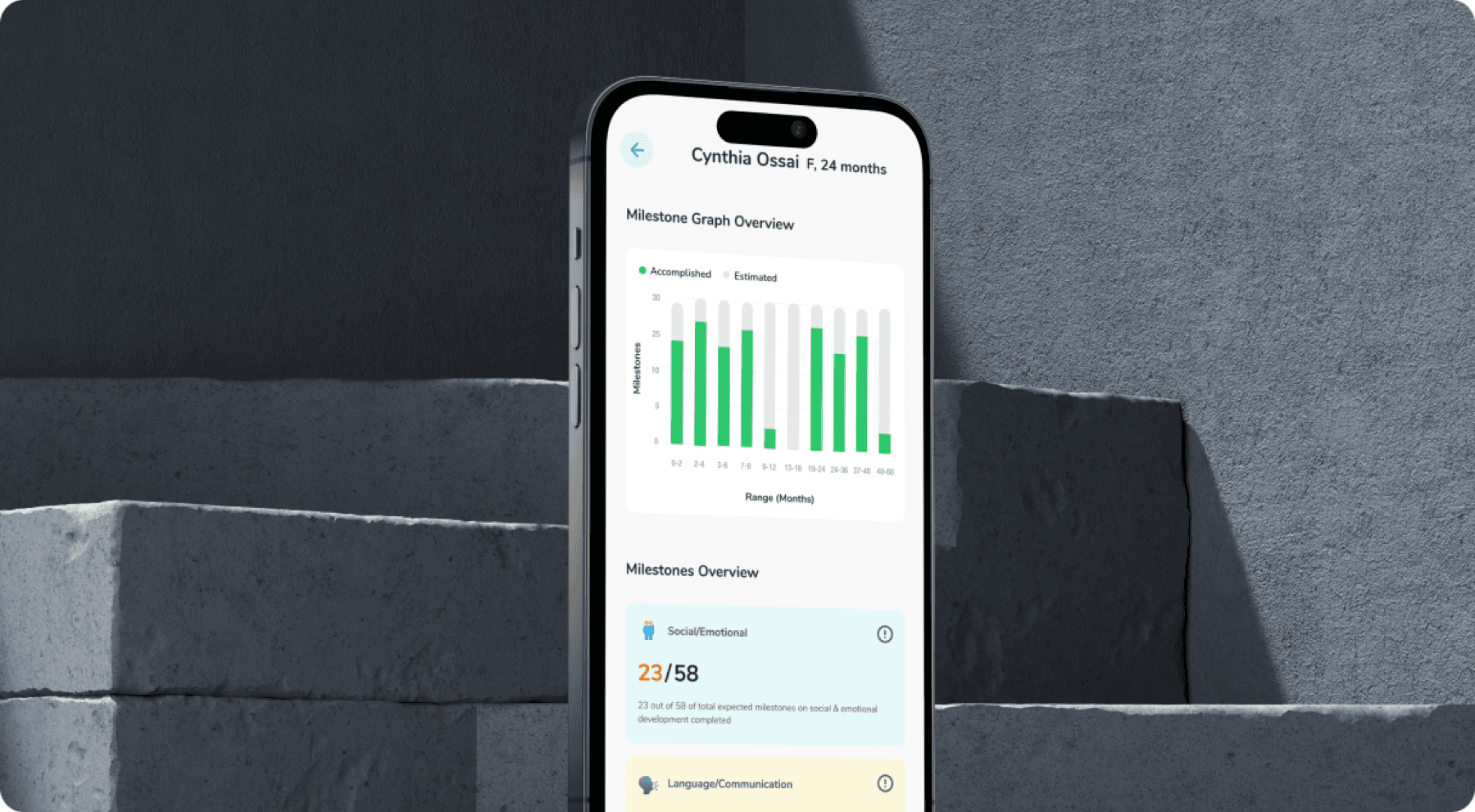
Looking Into a Dire and Age-Old Problem
Child mortality in Nigeria has been on the increase, and at an alarming rate. Over 7 million babies are born without access to adequate healthcare services and professionals. First-time mothers are also often uninformed, which leads to poor health decisions to the detriment of their children.
The NeoChildcare team has been in existence since 2015, and had already built a community of over 6,000 mothers. Jojolo was conceived as a dedicated mobile app extension of that existing community — bringing those 6,000+ mothers into a more structured, feature-rich mobile experience, while also positioning the product to grow beyond that base to a wider audience of first-time mothers.
Planning the Project's Lifecycle
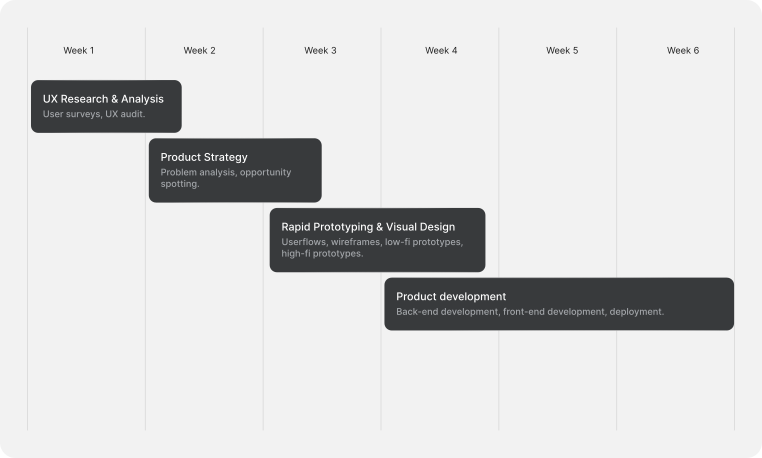
The plan was to design, develop, and reach a launch-ready state within six weeks — from research through a completed, developer-handoff-ready design.
(Project timeline: Week 1 → UX Research & Analysis; Week 2 → Product Strategy; Week 3–4 → Rapid Prototyping & Visual Design; Week 5–6 → Product Development)
Research Insight: Building Empathy from Research Data
The research aimed to understand the needs and frustrations of first-time mothers, and how to design something that genuinely addressed them rather than just looked helpful.
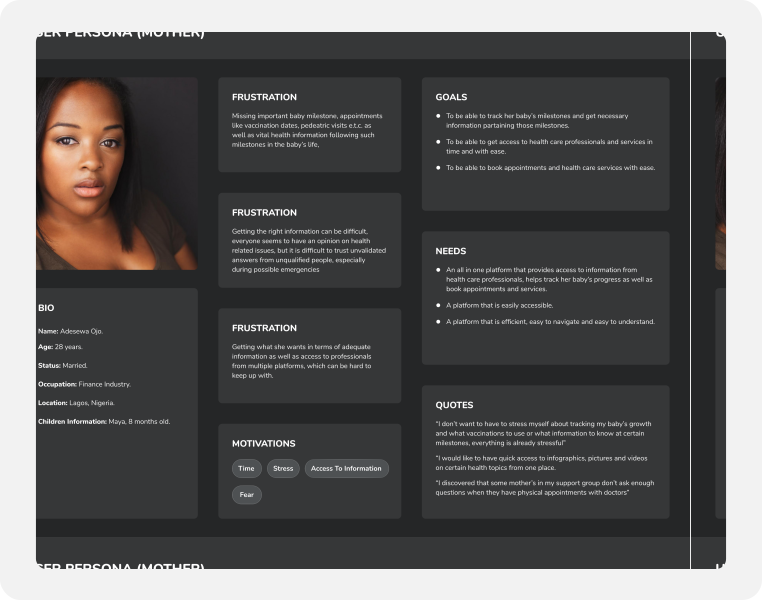
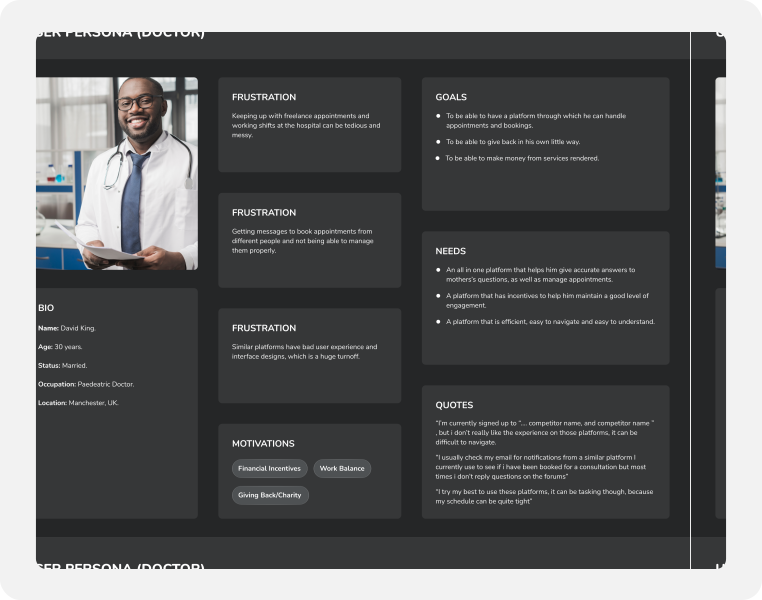
I ran interviews over Zoom with 3 mothers and 1 doctor from the Neo Childcare network — a small sample, but a real one, chosen from an existing, engaged community rather than cold outreach. From those conversations, I built two personas: a first-time mother navigating early childcare, and a doctor considering what would make a platform like this worth their time.
(User Persona: Mother, User Persona: Doctor)
Understanding the State of the Market
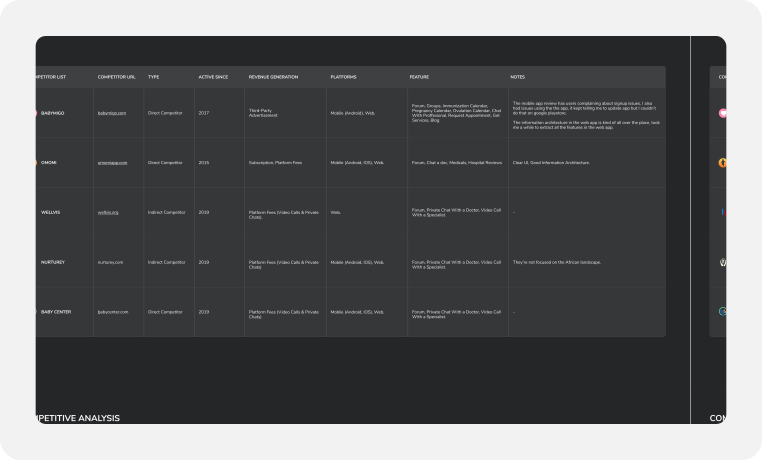
The next step was researching what our target users currently use to solve the same problem. Jojolo's direct competitors were Babymigo, Babycenter, and Omoni — all offering a similar core service: a forum, a chat, and booking features. The goal was to understand where those apps fell short and find a real gap.
(Competitive analysis)
Diving Deeper Into the Problem
The Insight That Shaped Our USP
Sharing research findings with the team, we noticed every competitor offered essentially the same service — we needed something that set Jojolo apart. One interview conversation crystallized it clearly:
"I don't want to have to stress myself about tracking my baby's growth and what vaccinations to use or what information to know at certain times, everything else is already stressful."
That single insight — the mental load of tracking growth and vaccination milestones, on top of everything else new motherhood demands — became the core differentiator the rest of the product was built around.
How Do We Balance User and Business Needs?
From a business perspective, we landed on a hybrid revenue model: subscription plus pay-as-you-go. To keep the incentive right for mothers, the forum feature stayed free — no login required until a mother chose to use other features. For doctors, the incentive was different: gamification and a financial incentive to actively use the platform.
This model was designed around the incentive structures we observed in interviews and competitive research, but since Jojolo never launched, it was never tested against real subscription conversion or doctor engagement data. If I revisited this, the first open question I'd want answered is whether free forum access alone was enough to convert mothers toward the paid milestone-tracking features, or whether it needed a stronger initial hook.
Giving the Platform Some Structure, Iteration v2.0
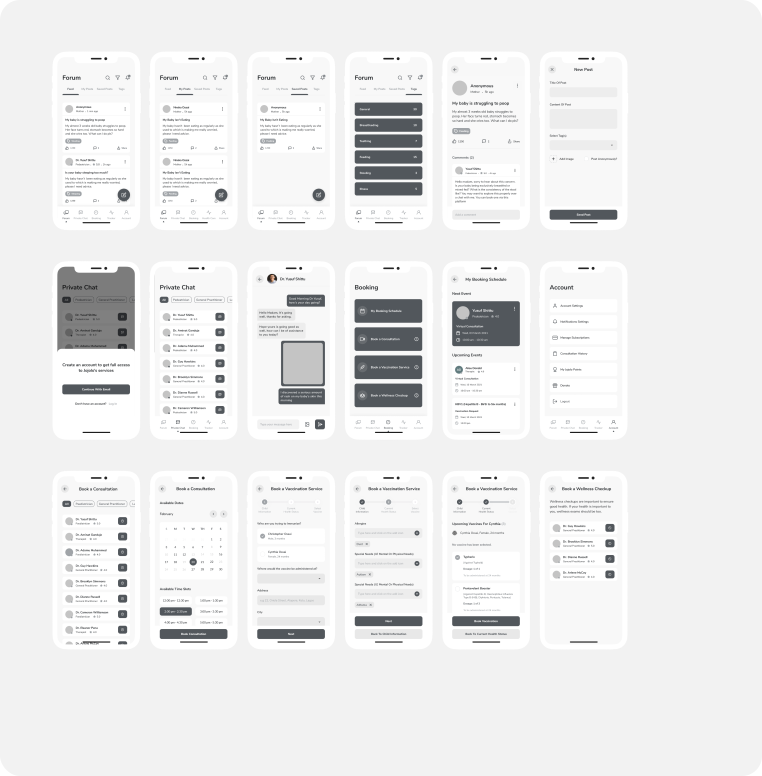
Low Fidelity Wireframes
I created low-fidelity prototypes to check and test functionality rather than visual appearance at this stage.
(User Flow — low-fidelity wireframes)
An Easier Way to Track Your Baby's Health
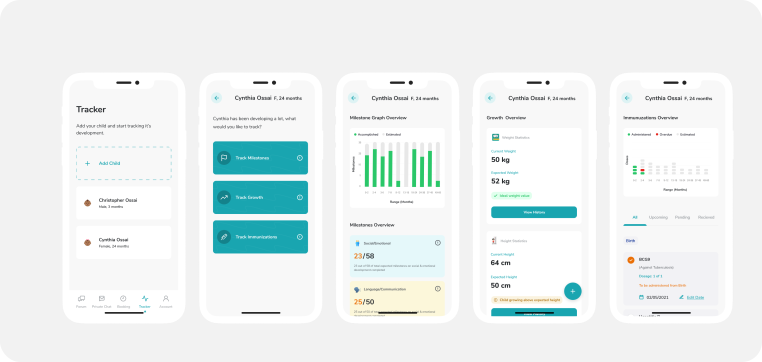
From a UX perspective, it was crucial to understand the mental load parents experience around their baby's growth and development. Streamlining growth and vaccination tracking wasn't just about convenience — it was about reducing stress and promoting peace of mind.
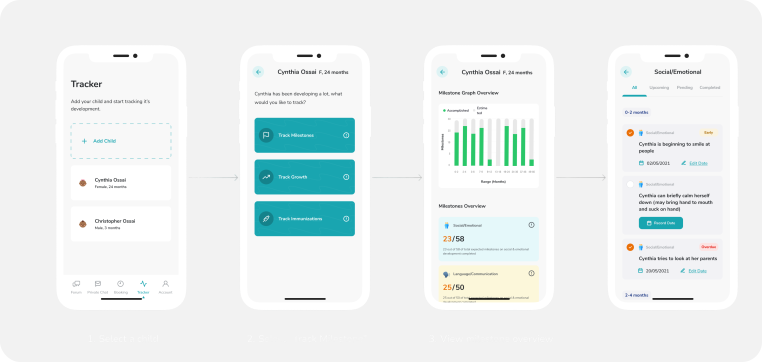
Overview — a central view of a baby's key stats and milestones at a glance.
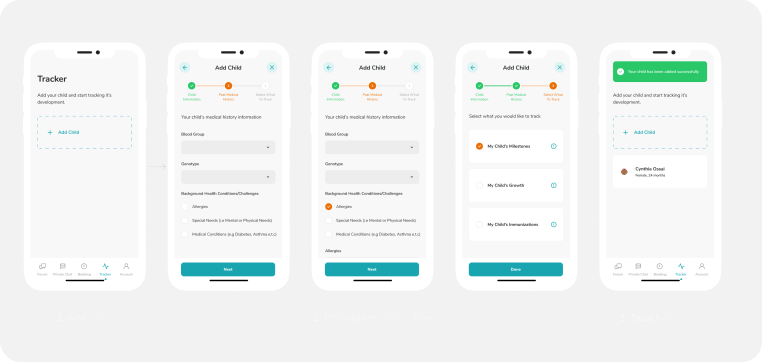
Adding Multiple Children — a seamless onboarding screen for mothers to add each child (name, date of birth, gender), building individual profiles that personalize tracking and recommendations from day one.
Track Development Milestones — parents can monitor and record key developmental milestones, from first smiles to first steps.
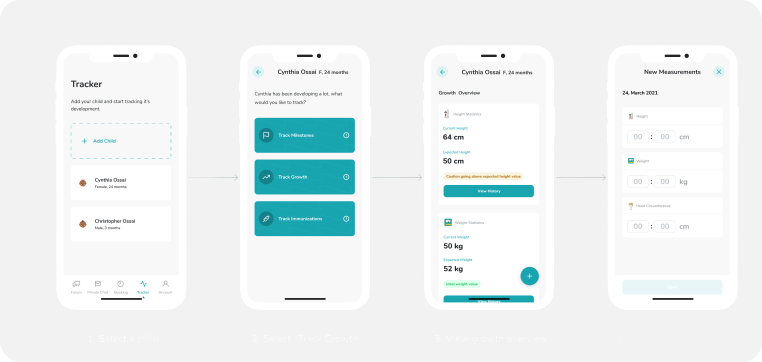
Track Physical Growth — monitoring weight, height, and head circumference over time, to help identify potential concerns early.
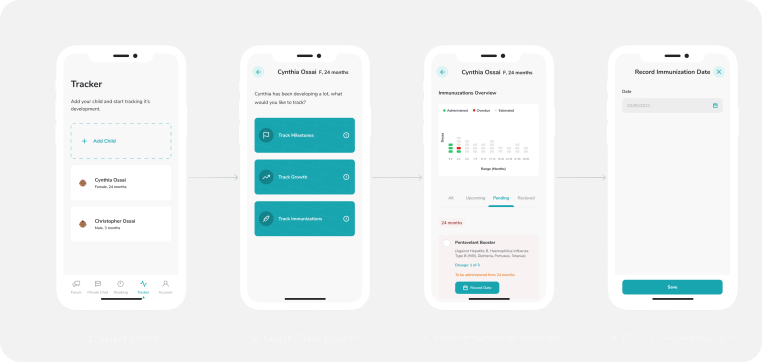
Never Miss an Immunization Appointment — managing and scheduling vaccinations so parents don't lose track of timing.
Driving Motivation and Building Trust Through Gamification
Working with our product manager, we explored gamifying the platform to drive engagement. Mothers and doctors earn badges — Silver, Gold, Platinum — based on their level of engagement. For doctors, gamification and earnings were the main drivers of motivation. For mothers, a doctor's badge served as an additional layer of trust alongside their actual medical certification.
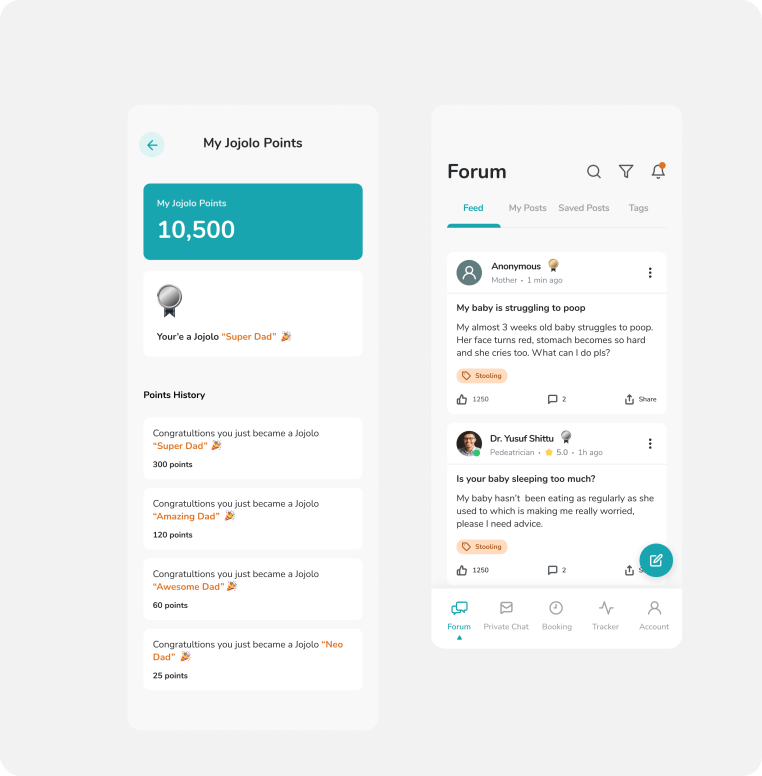
This, too, was a hypothesis we designed around rather than one we got to validate — if I were to revisit it, I'd want to test directly whether mothers actually read badges as a meaningful trust signal, versus just decorative detail, since a fair amount of the gamification design leaned on that assumption.
Where Things Stand
Jojolo was designed and prepared for developer handoff within the six-week timeline, but the product was never launched due to financial constraints on the NeoChildcare team's side — not a reflection of the design work itself.
There's no usage data to share as a result. What this project represents instead is a complete, research-driven product design process: persona development grounded in real (if small-sample) interviews, a genuine competitive teardown, a reasoned business model built around two very different user incentives, and a full mobile design system spanning onboarding, milestone tracking, and gamification.
If it had launched, the questions I'd have prioritized answering first were: whether free forum access alone converted mothers into active milestone-tracking users, and whether badge-based gamification actually moved doctor engagement — the two biggest unproven assumptions the whole model rested on.